Tipy
Artificial plants for the terrace: how to choose greenery that looks natural
How to choose artificial plants for your terrace and garden? Discover the importance of UV resistance, suitable planters, and coordinating greenery with outdoor furniture and pergolas.
Author: Zuzana Krajčírová, founder of Luxco Living
1. Do artificial plants belong in outdoor spaces?
Yes, artificial flowers, plants, and trees can be an ideal solution for a terrace or garden, provided they are designed for outdoor use and are UV-resistant. They allow you to create a lush green corner without watering, fertilising, or waiting for plants to mature. When choosing, it is therefore not enough to judge merely by appearance: the intended location is just as important.
They are especially practical where there is no time for routine care or where real plants struggle to thrive. They can complement a seating area beneath a pergola, frame a terrace dining space, or enliven poolside surroundings. The goal, however, is not to fill every empty corner. A more convincing result comes from a well-thought-out arrangement that respects the house's architecture and lets the furniture stand out.
2. A natural appearance starts with the details
High-quality artificial greenery is distinguished primarily by the craftsmanship of its leaves and flowers. Look closely at their texture, shape, and subtle colour gradients. These very details help dispel the impression of a flat plastic ornament. Realism is not an automatic feature of every product, but rather one of the key criteria worth considering when choosing.
On a sunny terrace, UV resistance is also vital. A decoration designed for indoor use is not automatically suitable outside just because it looks appealing. Assess appearance and durability together; even an impressive flower will not serve its purpose if it does not match the conditions of the location you are choosing it for.
3. Flowers add an accent, trees organise the space
First, decide what purpose the greenery on your terrace should serve. Flowers introduce colour and subtle decorative accents, whereas taller plants and trees influence the overall layout. Palms, olive trees, or ornamental shrubs can visually define a seating area and separate it from a dining table or relaxation zone.
At the same time, taller greenery helps create a sense of privacy without the wait for natural growth. However, its scale must correspond to the space. On a compact terrace, a striking plant can become the focal point of the entire setting, whilst a more expansive area allows you to work with multiple plant groupings. The result should be a clear, legible layout rather than an exhibition of standalone decorations.
4. How to coordinate greenery with outdoor furniture
Greenery can balance the character of different materials. Paired with aluminium sets, it softens austere lines; next to a teak table, it builds on the natural warmth of timber. For minimalist furniture, simple planters that do not overpower the shape of the plants work best. With wooden furniture sets, calm, natural shades of green create a harmonious impression.
For upholstered lounge seating, taller plants can provide a pleasant backdrop. Artificial greenery offers a practical advantage here too: it requires no watering and creates none of the usual plant debris, such as withered petals and fallen leaves. When styling the space, let comfort and the proportions of the set take centre stage; decorative pieces should complement the relaxation area, not compete with it.
5. The planter is part of the design, not an afterthought
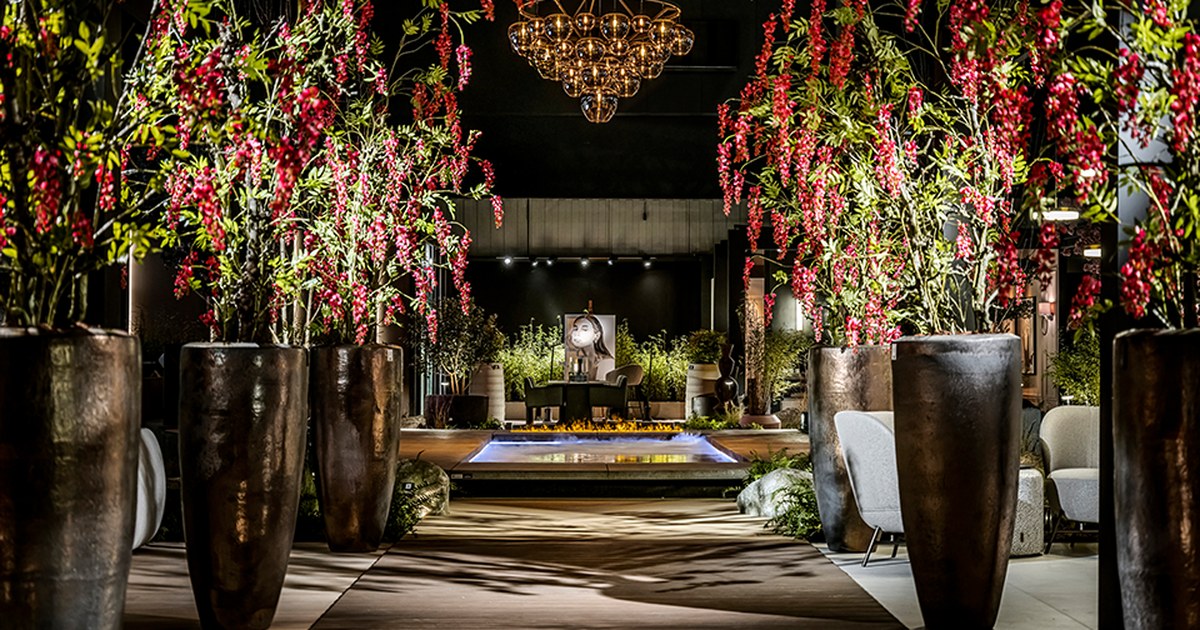
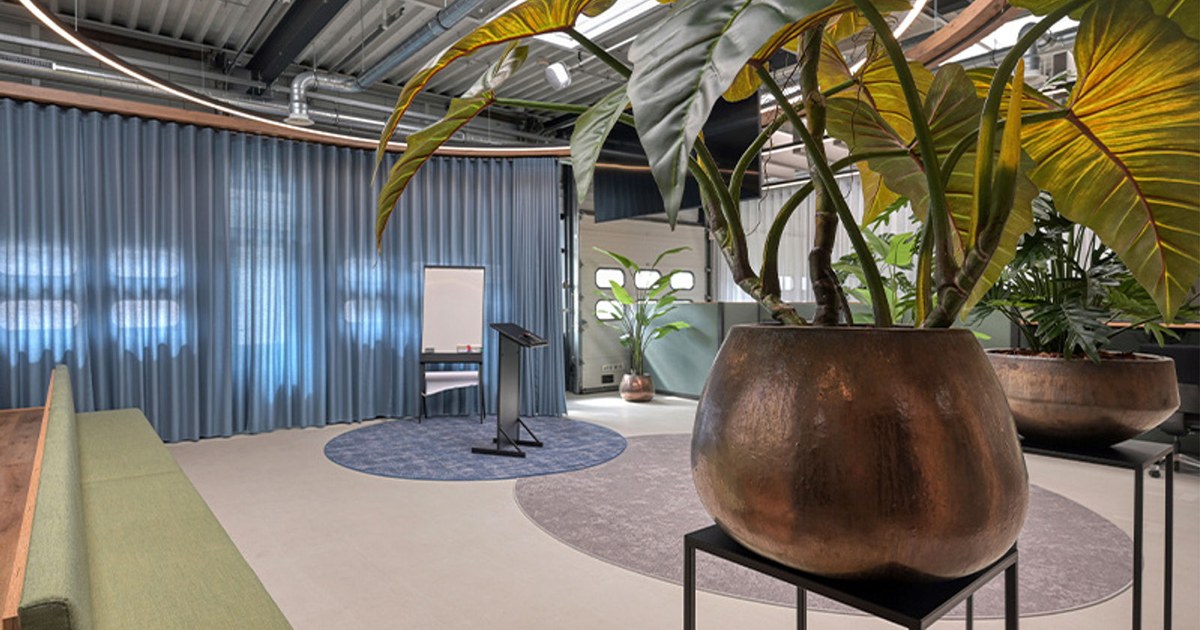
An outdoor vase or planter significantly influences how a plant looks within a space. Proportions relative to the greenery, surrounding furniture, and the size of the terrace are essential. Planters can tie several different plants together and bring a repeating rhythm to the composition.
Alongside aesthetics, consider weather-resistant materials. Match colour schemes to the facade, pergola structure, and furniture rather than solely to the flowers. The overall scheme will then appear calmer and more cohesive. A luxurious impression does not stem from an abundance of accessories, but from their mutual harmony.
6. Under the pergola and by the pool: context is key
A covered terrace offers artificial greenery protection from direct exposure to certain outdoor elements. Here, plants can soften the framework of a pergola and enhance the transition between the living interior and the garden. Even shelter, however, is no reason to overlook whether a product is rated for outdoor use.
By the pool or on an elegant terrace, you will particularly appreciate an appearance that remains unaffected by flowering seasons and horticultural care. Artificial plants require neither watering nor fertilising, but this benefit is not the same as unconditional resistance to all weather conditions. Always tailor your selection to the specific setting.
7. FAQ: Frequently asked questions about artificial greenery
Can any artificial plant be placed outdoors? No. For the garden and terrace, select products designed for outdoor use that are UV-resistant.
Can artificial flowers look natural even from up close? High-quality craftsmanship makes this possible. The key factors are the texture of the leaves and petals, their shape, and natural colour transitions.
Does artificial greenery pair well with premium garden furniture? Yes. It can complement aluminium, teak, and upholstered sets, provided it matches their scale and style.
Can artificial trees help create privacy? Taller plants and ornamental shrubs can visually divide different zones of the terrace and create a lush green backdrop without waiting for growth.